
Most website problems do not show up all at once. They build quietly when updates get skipped and small errors go unchecked. By the time your client notices, the website is already losing speed, traffic, or trust.
Regular website maintenance checks help you stay ahead of these issues. They keep WordPress sites secure, fast, and stable as plugins, browsers, and search rules keep changing. Without frequent checks, even strong websites start to fail.
Knowing the early warning signs puts you in control. It helps you protect your clients’ rankings, user experience, and business results before small problems turn into costly fixes.
TL;DR: WordPress Site Maintenance
- Traffic drops usually point to technical problems that need closer maintenance attention.
- Slow website speed often means performance issues are not being monitored regularly.
- Security warnings or spam links signal outdated plugins and weak security checks.
- Plugin and theme errors after updates show missing compatibility testing.
- Broken links and missing pages hurt user experience and search visibility.
Why Regular Site Maintenance Checks are Important for Your Clients’ Websites?
Regular WordPress site maintenance checks are essential for keeping client websites secure, fast, and functional. A well-maintained website improves user experience. Pages load quickly, navigation stays smooth, and visitors are more likely to stay longer, engage, and convert.
From a technical perspective, routine maintenance reduces security risks. Updating WordPress core, themes, and plugins helps close vulnerabilities before they become serious issues. Regular scans and backups protect data and prevent downtime.
Maintenance also impacts search rankings. Search engines favor websites that load fast, stay error-free, and remain updated. Broken links, slow speeds, and outdated content can quietly hurt visibility.
Regular checks help control costs by fixing small issues early, preventing larger and more expensive problems later.
Read: Why Invest in WordPress Maintenance and Support for Your Website
How WPTasks Helps You Prevent Ongoing Website Maintenance Issues?
Most website issues start with missed updates and delayed fixes. When maintenance isn’t consistent, small problems turn into performance and security risks. WPTasks helps you avoid this by providing reliable, subscription-based WordPress maintenance and development support for agencies.
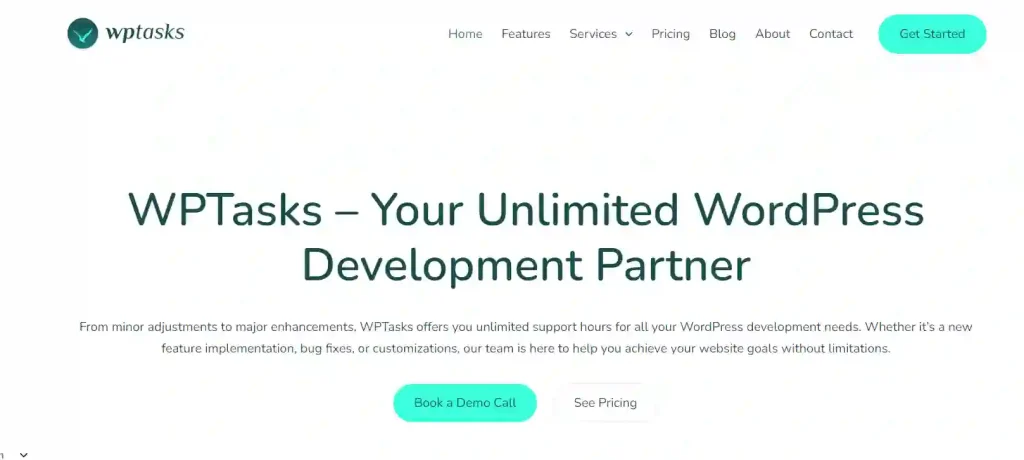
With WPTasks, you work on a subscription-only model with monthly development hour retainers. These hours cover WordPress development tasks, ongoing fixes, regular updates, recurring site maintenance, and hosting support..
Because maintenance runs on a subscription, issues get handled early instead of piling up. Updates stay on schedule, errors get fixed before they repeat, and you deliver everything under your own brand with WPTasks’ white-label support.
Get Expert Website Maintenance for Your Clients
Frequent issues often point to missed updates and inconsistent checks. Ongoing maintenance helps keep client sites secure, fast, and stable.
Common Signs Your Clients Need More Frequent Website Maintenance Checks
Recognizing the signs that your clients’ websites need more frequent attention can help avoid costly setbacks and keep their sites running smoothly. Here are the signs to look out for:
- Increased Security Vulnerabilities: Regular security scans are crucial to protect against security threats and mitigate security risks. An increasing number of security vulnerabilities or website security breaches is one of the biggest telltale signs that your clients need more site maintenance.
- Declining Site Performance: A drop in site speed, conversion rates, or organic traffic could indicate that the website is not functioning optimally. Broken links, broken elements, or outdated media files can negatively impact the user journey and load speed.
- Poor User Experience: A negative user experience often stems from slow load times, outdated designs, or malfunctioning contact forms and other interactive elements. This can lead to higher bounce rates and reduced engagement.
- Drop in Search Rankings: Neglecting regular website maintenance can harm SEO rankings. Search engines, such as Google, prioritize sites that are regularly updated and perform well. Outdated information or poorly optimized content can lower search rankings.
- Functionality Issues: Features like contact forms, payment gateways, or other tasks related to e-commerce may stop functioning properly if regular maintenance is overlooked. Broken functionality leads to poor user experience and impacts credibility.
- Higher Maintenance Costs: Skipping regular maintenance often leads to higher maintenance costs down the road. Small issues like unused plugins or not making regular backups can escalate into expensive repairs, especially if a live site experiences downtime. If your clients frequently need technical support on some aspect of their websites, this is a sign that current maintenance and website care may not be effective.
Learn About: WordPress Maintenance vs Technical Support
WordPress Site Maintenance Checklist
Maintaining a WordPress site is crucial to ensure it remains secure, fast, and user-friendly. Following a structured maintenance routine can prevent problems, enhance performance, and improve the overall user experience. Here’s a detailed checklist for essential WordPress maintenance tasks.

Update WordPress, Themes, and Plugins
Keeping WordPress, themes, and plugins updated is one of the most critical aspects of maintenance. Updates often include fixes for bugs, security vulnerabilities, and performance improvements. Ignoring updates can leave your website exposed to potential security threats.
It’s equally important to remove unused or outdated plugins and themes, as these can slow down your site and pose security risks. Make sure to review and test updates on a staging site before applying them to your live site to avoid compatibility issues.
Backup Your Website
A solid backup strategy is essential to protect your website data. Schedule regular automatic backups to ensure you can restore your site in case of a crash, hack, or accidental deletion. Save backups in multiple locations, such as cloud storage and local drives, to add an extra layer of security.
Don’t just rely on automated systems; test your backups periodically to confirm they work and can be restored without issues.
Run Security Scans
Web security is a top priority for any WordPress site. Run regular security scans using tools like Wordfence or Sucuri to detect malware, vulnerabilities, and unauthorized activity. Implement security measures like firewalls and two-factor authentication to strengthen your site’s defenses.
Regularly review your security logs and take immediate action to address any threats detected during scans.
Fix Broken Links
Broken links can frustrate users and hurt your search engine rankings. Regularly check your website for broken links using tools like Broken Link Checker. Repair or replace these links to ensure a smooth user experience and maintain SEO performance. Keeping your links updated also enhances your website’s credibility and professionalism.
Test Website Features
Interactive elements such as contact forms, payment gateways, and subscription forms are critical for functionality and user engagement. Regularly test these features to ensure they work as intended. A malfunctioning feature can lead to a loss of potential leads, sales, or user trust, so include this task in your routine maintenance plan.
Check Site Speed
Site speed is a crucial factor for user experience and search engine rankings. Use tools like Google PageSpeed Insights or GTmetrix to monitor your site’s load times and identify areas for improvement. Optimize images, enable caching, and consider using a content delivery network (CDN) to improve load speed. Fast-loading sites retain users longer and perform better in search engine rankings.
Read: WordPress Site Health Check: Steps for Monitoring and Maintaining Website Performance
Ensure Mobile and Browser Compatibility
With the growing number of mobile users, your website must function flawlessly on mobile devices and across major browsers. Test your site regularly to ensure all elements load correctly on different screen sizes and browsers. Fix any compatibility issues that might negatively impact the user experience or accessibility.
Delete Unused Features
Unused plugins, themes, and other elements can slow down your site and create security risks. Regularly review your WordPress dashboard to identify and remove outdated or unnecessary features. This helps keep your site streamlined, fast, and secure.
Test Backups and Recovery Plans
Having backups is essential, but they’re only useful if they work. Regularly test your backups to ensure they can be restored quickly and without errors. This proactive step ensures that you’re prepared for emergencies, such as server crashes or cyberattacks.
By following this comprehensive maintenance checklist, you can keep your WordPress site secure, functional, and optimized for success. Regular attention to these tasks not only prevents issues but also ensures a positive experience for users and better results in search engine rankings.
Read More: The Ultimate WordPress Maintenance Checklist
How a WordPress Maintenance Partner Can Help with Website Checks?
A WordPress maintenance partner helps freelancers and marketing agencies deliver reliable website care without stretching internal resources.
Most agencies don’t have the time to manage ongoing technical tasks. A maintenance partner handles uptime monitoring, hosting checks, security updates, and performance optimization, ensuring client websites stay fast and stable.
They also maintain critical pages like landing pages, ensure cross-browser and device compatibility, and support accessibility compliance for a consistent user experience.
By outsourcing routine maintenance checks, agencies can offer complete maintenance services while staying focused on strategy, design, and growth.
Discover: Why Digital Agencies Should Have a WordPress Maintenance Partner
Conclusion
Website issues grow when no one checks them regularly. Slow speed, errors, and security risks build up quietly and affect performance, traffic, and trust. With frequent website maintenance checks, you can identify problems early and fix them before they cause real damage. This keeps your clients’ websites stable, secure, and performing the way they should.
FAQs About WP Site Maintenance
How often should site maintenance checks be done?
For most websites, monthly maintenance checks are the minimum. High-traffic, ecommerce, or lead-driven websites often need weekly or even daily monitoring to stay secure and stable.
Can infrequent maintenance really hurt SEO?
Yes. Slow speed, broken links, downtime, and crawl errors directly affect search rankings. Regular maintenance helps prevent these issues before they impact visibility.
What happens if security warnings are ignored?
Ignoring security warnings can lead to hacked content, data loss, and blocked access in browsers. This damages trust and can take months to recover from.
Do small websites also need frequent maintenance?
Yes. Even small websites use plugins, themes, and hosting services that require updates. Skipping maintenance increases the risk of errors and security issues over time.
Is website downtime always a hosting problem?
Not always. Downtime can also come from plugin conflicts, failed updates, or server overload. Regular checks help identify the real cause early.