
Choosing how you handle WordPress plugin and theme development can directly impact your agency’s growth, delivery speed, and profit margins. As client demands increase and projects become more complex, managing custom plugins and themes in-house often stretches internal teams and slows down execution.
This is why many digital agencies choose to outsource WordPress development. Outsourcing gives agencies access to specialized expertise, predictable delivery, and scalable execution without the overhead of hiring and long-term resource management.
TL;DR
- Outsourcing WordPress development reduces delivery pressure for digital agencies.
- Agencies gain access to experienced WordPress developers without hiring full-time resources.
- Predictable development costs help maintain stronger profit margins.
- White-label outsourcing protects brand control and client trust.
- Faster execution allows agencies to scale projects and services efficiently.
- Long-term outsourcing partnerships support sustainable agency growth.
What Does it Mean to Outsource WordPress Plugin and Theme Development?
Outsourcing WP development means hiring an external team or partner to handle your development work while you focus on client relationships and strategy. You hand off the technical execution, and they deliver the finished product under your brand.
This differs from hiring in-house developers, where you manage salaries, benefits, and overhead costs permanently. It also differs from freelancers, who work project by project with no guaranteed availability or backup support.
Outsourcing gives you a dedicated development partner with consistent capacity, clear processes, and predictable monthly costs.
Why Digital Agencies Choose to Outsource WordPress Development?
Agencies outsource WordPress development for practical business reasons. You avoid recruitment fees, salaries, benefits, and infrastructure costs. Instead, you pay a fixed monthly retainer covering as much or as little work as you need.

You also get access to specialized skills without hiring separate developers for each project type. Custom WooCommerce plugins, headless WordPress themes, or complex integrations all get handled by the right developer at the right time.
Outsourcing adds instant capacity. You skip weeks of recruitment and onboarding. Your development partner starts immediately, projects move faster, and clients stay happy. As your client base grows, you scale up or down without the financial risk of hiring or laying off staff.
How WPTasks Helps You Scale with Predictable WordPress Development Support?
WPTasks provides subscription-based WordPress development support without hiring or managing additional resources. You get predictable monthly development hours, rather than relying on risky one-off outsourcing.
You can use the subscription for WordPress plugin and theme development, ongoing fixes, updates, recurring website maintenance, and hosting support. Everything runs as a white-label service, so you stay in full control of your brand and client relationships.
Because the work follows a retainer model, you reduce delivery gaps and prevent repeat errors. Regular maintenance and proactive updates keep client websites stable and minimize future issues.
Outsource WordPress Plugin and Theme Development to the Experts
WPTasks gives digital agencies on-demand access to vetted WordPress developers for custom themes, plugin builds, and white-label solutions — delivered fast and on budget.
Benefits of Outsourcing WordPress Development
Outsourcing WP development delivers real business advantages for agencies. Access to specialized talent, scalable capacity, and reduced costs all contribute to stronger agency growth. Here is what agencies gain when they outsource development work:
Immediate Access to Senior WordPress Experts
You get experienced WordPress developers who handle advanced plugin builds, API integrations, and complex custom logic every day. They know how to solve problems quickly because they work on WordPress projects full-time. You skip the recruitment process entirely. Your outsourcing partner already has the team ready, so your project starts immediately with the right expertise behind it.
Faster Project Turnaround
Projects move significantly faster through outsourcing. Instead of one developer working through tasks sequentially, your partner runs parallel workflows across multiple developers. Delivery time drops dramatically. Clients receive their sites faster, projects close quicker, and agencies can take on more work without overloading internal teams.
Lower Fixed Costs
Hiring a full-time WordPress developer means paying salary, benefits, recruitment fees, onboarding time, and ongoing HR overhead. Outsourcing eliminates all of that expense. A fixed monthly retainer covers development work with no long-term commitments. Costs stay predictable and margins improve.
Scalable Development Capacity
Client demand fluctuates from month to month. Some periods bring five active projects while others bring fifteen. Outsourcing allows agencies to scale development capacity based on actual workload. Retainer hours increase during busy periods and decrease when things slow down. No hiring decisions, no layoffs, no financial risk.
Reduced Technical Risk
Experienced development teams prevent the costly architecture mistakes that less experienced developers make. They follow WordPress coding standards, build for scalability, and structure code properly from the start. This reduces technical debt and protects agencies from expensive fixes later. Projects remain stable, and reputations stay intact.
Better Code Quality and Security Standards
Professional WordPress teams write cleaner code and follow security best practices. This results in fewer bugs, better performance, and stronger security against common vulnerabilities. Cleaner builds also mean lower long-term maintenance costs. Clients spend less time resolving issues, which strengthens retention and maintains agency reputations.
Ability to Launch New Service Lines
Custom e-commerce, SaaS builds, and membership sites become viable offerings without hiring specialists for each one. Outsourcing partners handle the technical work while agencies sell these services under their own brand. New revenue streams open up without the overhead of building an internal team from scratch.
Why In-House Plugin and Theme Development Can Hurt Your Agency?
Building WordPress plugins and themes in-house carries significant technical and financial risk. Both require specialized expertise that most agencies struggle to maintain consistently across projects.
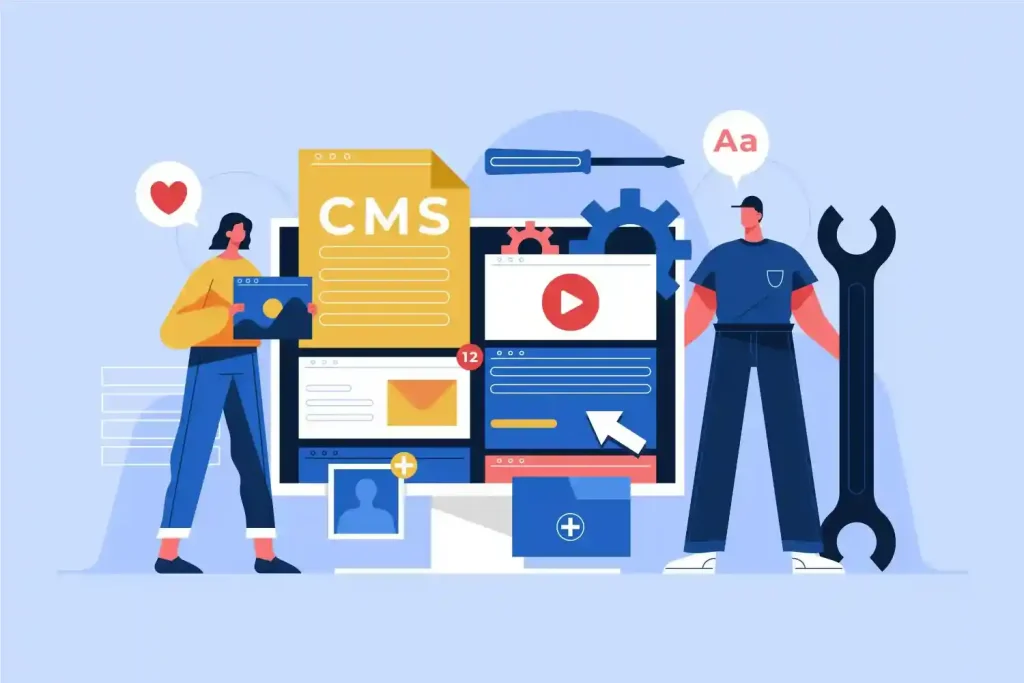
Plugin Development Challenges
Custom plugin development involves layers of technical complexity that go far beyond basic WordPress knowledge. Security, compatibility, and ongoing maintenance all demand specialized skills you likely do not have readily available on your team.
- Security Vulnerabilities: Poorly coded plugins open your client’s sites to SQL injection, cross-site scripting, and unauthorized access. One security flaw compromises an entire site and permanently damages your agency’s reputation.
- Compatibility Conflicts: Plugins interact with WordPress core, other plugins, and various themes. A plugin that works perfectly on one site can break functionality on another due to conflicts you did not anticipate.
- Core Update Issues: Every WordPress major update requires plugin testing and potential rework. Miss one update cycle and your client’s site breaks unexpectedly.
- Compatibility Conflicts: Plugins interact with WordPress core, other plugins, and various themes. A plugin that works perfectly on one site can break functionality on another due to conflicts you did not anticipate.
Theme Development Challenges
Building custom WordPress themes requires balancing design, performance, and technical standards. Meeting modern performance expectations while maintaining visual consistency across devices is a full-time discipline on its own.
- Performance Optimization: Poorly optimized themes bloat page load times, hurt user experience, and damage SEO rankings. Every element from image handling to script loading requires your careful attention.
- UX Consistency: Your themes must look and function flawlessly across all devices. A theme that looks perfect on a desktop can fall apart on a mobile or tablet without extensive testing.
- Core Web Vitals Compliance: Your custom themes must meet Google’s performance standards for LCP, FID, and CLS. Failing these metrics pushes your client’s site down in search results.
- Future Update Compatibility: WordPress, PHP, and browser standards evolve constantly. A theme you build today needs ongoing updates to remain compatible with future versions of everything it touches.
Both plugin and theme development require depth most agencies do not maintain internally. The specialized knowledge, ongoing training, and dedicated focus needed to build secure, performant, and maintainable code stretches beyond what you can sustain while serving clients effectively.
Outsourcing vs In-House WordPress Development
Choosing between outsourcing and in-house development affects how your agency runs, what you spend, and how quickly you can grow. Here is how they compare.

Cost Predictability
In-house teams cost more than you expect. Salaries are just the start. Add benefits, recruitment fees, training, software licenses, and office space. These expenses keep coming whether you have projects or not. Outsourcing gives you one monthly bill. Your retainer covers the work and nothing else. You know what you spend every month, which makes planning easier.
Speed to Market
Building an in-house team drags on for months. You post jobs, interview candidates, make offers, wait for notice periods, then spend weeks getting them up to speed. Outsourcing skips all that. Your partner has developers ready now. Send them the project, and they start working immediately.
Scalability
Growing your in-house team means going through recruitment again. Shrinking it means letting people go, which nobody enjoy,s and everyone remembers. Outsourcing gives you flexible capacity on demand. You add hours when demand rises and reduce them when it drops. No hiring decisions, no layoffs, no financial risk.
Long-Term Flexibility
In-house employees are permanent commitments. You pay them every month whether you have enough work for them or not. Outsourcing keeps you flexible. Use more help when you need it, less when you don’t. No awkward conversations about workload or job security.
Technical Depth
Most in-house developers know a bit of everything. They can handle general WordPress work, but when a client needs something specialized like a custom WooCommerce integration or a headless setup, they struggle.
Outsourcing connects you with developers who specialize in exactly what each project needs. Complex plugin? They have someone who builds them daily. Custom theme? Another specialist handles it. You get expert-level work on every project.
Risk Exposure
In-house teams create a single point of failure. Your developer gets sick, quits, or goes on leave, and suddenly nothing moves. Clients wait and your reputation takes the hit. Outsourcing removes that risk. Multiple developers work on your account. Someone is always available to keep projects moving forward.
When Should Agencies Outsource WordPress Development?
Agencies usually outsource when delivery pressure starts slowing growth or affecting quality. If your team feels stretched, outsourcing helps you scale faster without adding long-term overhead.
- Growing Client Demand: When projects pile up faster than your team can handle, deadlines slip and quality drops. Outsourcing adds instant capacity so you can deliver on time without rushing hires.
- Complex E-commerce Builds: Advanced WooCommerce projects need great technical skills. Outsourcing reduces risk when handling custom checkouts, subscriptions, and third-party integrations.
- Multi-Site Projects: Managing multiple sites increases complexity across performance, security, and updates. External specialists help keep multi-site builds stable and organized.
- Custom Plugin Development: Building custom plugins requires secure coding and long-term maintenance planning. Outsourcing gives you access to experienced developers without building an in-house team.
- Recurring WordPress Retainers: Ongoing fixes, updates, and improvements can drain internal resources. Outsourcing recurring tasks keeps delivery predictable while your team focuses on strategy and clients.
Common Mistakes Agencies Make When Outsourcing
Outsourcing can unlock growth. But without the right systems in place, it quickly becomes a liability.
Most agency outsourcing failures come down to a few avoidable mistakes.
- Choosing The Lowest-Cost Vendors: Cheap rates often lead to poor code quality, missed deadlines, and endless rework. What looks like savings upfront usually turns into higher costs later.
- No Documented Workflows: When processes aren’t written down, tasks get misunderstood, timelines slip, and accountability breaks. Outsourcing only scales when workflows are clear and repeatable.
- Poor Communication Standards: Without set response times and update expectations, small issues turn into last-minute fires. Clear communication rules keep projects moving smoothly.
- No White-Label Agreement: Skipping this puts your brand at risk. Vendors may contact clients directly or fail to maintain brand consistency, damaging trust you worked hard to build.
- Ignoring Code Ownership Clauses: If ownership isn’t clearly defined, you may not legally control the work. This creates problems when switching vendors or handling client compliance.
- Skipping QA Processes: Assuming vendors will handle quality checks leads to bugs in production. Strong QA protects your reputation and keeps client confidence intact.
How Outsourcing Improves Agency Profit Margins?
Outsourcing WordPress can directly improve agency profit margins when done with the right structure. It helps control costs, increase efficiency, and create more predictable revenue. For growing digital and WordPress agencies, this model supports scalable and sustainable profitability.
- Predictable Delivery Costs: Outsourcing provides agencies with fixed, transparent project costs. This makes budgeting easier, reduces cost overruns, and protects profit margins on every client project.
- Higher Markup Control: With stable outsourcing rates, agencies gain full control over pricing strategies. You can set consistent markups, improve revenue per project, and maintain healthier agency profit margins.
- Less Internal Overhead: Outsourcing reduces expenses tied to full-time staff such as salaries, benefits, training, and tools. Lower operational overhead means a higher percentage of revenue turns into profit.
- More Focus On Sales And Client Acquisition: By offloading execution work, agencies free up internal resources to focus on sales, upselling, and client retention. Increased deal flow and long-term clients directly improve overall profitability.
When outsourcing is aligned with clear processes and pricing models, it becomes a growth lever. Not a cost center.
What to Look for in a WordPress Development Partner?
Choosing the right WordPress development partner directly affects delivery quality, client satisfaction, and long-term profitability. The best partners do more than execute tasks. They strengthen your agency’s reputation and scalability.
- Proven Plugin Portfolio: A strong track record of custom plugins and real-world implementations shows technical depth. It also reduces risk when handling complex WordPress projects.
- Clean Code Standards: Well-structured, readable, and documented code makes future updates easier. Clean code protects site performance, stability, and long-term maintenance.
- Security-First Approach: A reliable WordPress development partner follows secure coding practices, regular updates, and vulnerability checks. This minimizes risks related to malware, data breaches, and compliance issues.
- White-Label Delivery: True white-label support ensures your brand stays front and center. The partner works behind the scenes without direct client interaction.
- Dedicated Support Model: Consistent points of contact improve communication and accountability. Dedicated teams reduce onboarding time and keep delivery predictable.
- White-Label Delivery: True white-label support ensures your brand stays front and center. The partner works behind the scenes without direct client interaction.
A WordPress development partner should feel like an extension of your internal team. Not just an outsourced vendor.
Conclusion
For digital agencies, outsourcing WordPress plugin and theme development is a strategic growth decision. It reduces operational strain, increases delivery capacity, and strengthens profit margins. Instead of investing heavily in expanding internal teams, agencies can leverage experienced WordPress developers to execute complex projects efficiently.
When supported by clear workflows, strong communication, and proper agreements, outsourcing becomes a competitive advantage. It allows agencies to focus on sales, client relationships, and long-term growth while maintaining high development standards.
FAQs About Outsourcing WP Development
Is outsourcing WordPress development cost-effective for agencies?
Yes. Agencies save on salaries, benefits, onboarding, and infrastructure costs. Predictable outsourcing rates make pricing more controlled and improve overall profit margins.
Will outsourcing affect code quality and performance?
Not if you choose the right WordPress development partner. Experienced teams follow clean coding practices, optimize for performance, and conduct proper QA before final delivery.
Can agencies maintain brand control with outsourced development?
Absolutely. With a clear white-label agreement in place, outsourced developers work behind the scenes. Clients continue interacting only with your agency.
How does outsourcing help agencies scale faster?
Outsourcing removes delivery bottlenecks. Agencies can handle more projects without hiring additional staff or overloading internal teams.
Is outsourcing suitable for ongoing plugin updates and theme maintenance?
Yes. Many agencies rely on long-term outsourcing partners for continuous improvements, updates, and WordPress security management.