
A hacked WordPress website can quickly damage your SEO rankings, website traffic, customer trust, and overall business performance. Malware infections, spam pages, security warnings, and downtime often make websites inaccessible to users and search engines, causing visibility and conversions to decline fast.
A robust WordPress support plan helps businesses recover from website hacks faster through malware cleanup, security fixes, backup recovery, and ongoing technical monitoring. This guide explains how professional website support helps restore website stability, recover search visibility, and prevent future security attacks before they create long-term damage.
TL;DR
- Hacked WordPress websites can quickly damage SEO, rankings, customer trust, and website functionality.
- Malware infections, spam pages, and security warnings often affect crawlability and search visibility.
- A robust WordPress support plan includes malware cleanup, website recovery, security monitoring, and ongoing protection.
- Fast recovery reduces downtime and long-term ranking loss.
- Proactive security monitoring helps prevent future website attacks.
WordPress security support helps businesses recover faster from malware attacks, hacked websites, downtime, and security vulnerabilities before they damage SEO rankings, customer trust, or website functionality. Ongoing monitoring and proactive protection also help reduce the risk of future website attacks and recurring technical issues.
Why Hacked WordPress Websites Are a Serious SEO and Security Risk?
A hacked WordPress website can quickly become both a security problem and an SEO disaster if technical issues are not resolved immediately. Malware infections, spam injections, malicious redirects, and unauthorized file changes often make websites unsafe for users and difficult for search engines to crawl and trust properly.

Search engines may reduce rankings, display security warnings, or temporarily remove infected pages from search results when suspicious activity is detected. At the same time, hacked websites often experience downtime, slow performance, traffic decline, and reduced customer trust, which can continue affecting business growth long after the initial attack.
Common Signs Your WordPress Website Has Been Hacked
Many hacked WordPress websites show warning signs before the damage becomes more serious. Identifying these issues early helps businesses reduce downtime, prevent SEO damage, and restore website security more quickly, before traffic and rankings decline further.
Some security problems remain hidden in the background for weeks, while others create immediate website instability, spam activity, or search engine warnings. Regular monitoring helps detect suspicious activity before it affects website performance and customer trust.
- Unexpected Redirects or Spam Pages: Users may get redirected to suspicious websites or spam pages without permission.
- Google Security Warnings: Search engines may display warnings that the website is unsafe or potentially harmful.
- Sudden Ranking or Traffic Drops: Organic traffic and keyword rankings may decline quickly after malware infections or spam indexing.
- Unknown Admin Users or Login Activity: Unauthorized user accounts or suspicious login attempts often indicate compromised website access.
- Slow Website Performance and Server Overload: Malware scripts and malicious activity can significantly increase server load and reduce website speed.
- Suspicious Code Injections or Modified Files: Unexpected file changes, hidden scripts, or injected code may appear across website pages or databases.
What Causes WordPress Websites to Get Hacked?
WordPress websites are often targeted when security weaknesses remain unresolved for long periods. Outdated software, poor security practices, weak access controls, and vulnerable website environments make it easier for attackers to exploit websites and inject malicious code.

Many website hacks happen because small security issues are ignored until they become larger vulnerabilities. Proactive monitoring, regular updates, and strong website security practices help reduce the risk of malware infections, unauthorized access, and recurring attacks.
Outdated Plugins and Themes
Outdated plugins and themes are one of the most common reasons WordPress websites get hacked. Older software versions often contain known security vulnerabilities that attackers can exploit easily.
Regular updates help patch security flaws, improve compatibility, and reduce the chances of malware infections or unauthorized access affecting the website.
Weak Login Credentials
Weak usernames and passwords make it easier for attackers to gain unauthorized access through brute-force login attempts or credential theft. Shared admin accounts and poor password practices significantly increase security risks.
Strong passwords, two-factor authentication, and restricted admin access help improve website security and reduce login vulnerabilities.
Vulnerable Hosting Environments
Poor hosting security, outdated server software, and weak infrastructure protections can expose websites to hacking attempts and malware infections. Shared hosting environments may also increase security risks if server protections are weak.
Reliable hosting environments with strong security configurations help improve website stability, protection, and long-term technical reliability.
Poor Security Monitoring
Without proactive monitoring, malware infections and suspicious activity can remain undetected for long periods. Many businesses only discover security problems after rankings drop or search engines display security warnings.
Continuous monitoring helps detect vulnerabilities, suspicious behavior, and security threats before they create larger SEO or performance problems.
Unsafe Third-Party Plugins
Poorly coded or unverified third-party plugins can introduce hidden vulnerabilities, malicious scripts, or compatibility issues into the website. Free plugins from unreliable sources often carry higher security risks.
Carefully reviewing plugins before installation and limiting unnecessary extensions help reduce a website’s exposure to security threats and technical instability.
How WPTasks Helps Recover and Protect Hacked WordPress Websites?
WPTasks helps businesses and agencies recover hacked WordPress websites through recurring technical support, malware cleanup, troubleshooting, and ongoing website improvements. The platform works through monthly maintenance subscriptions and monthly development hour retainers, helping teams handle security issues, recurring fixes, and technical recovery more efficiently.
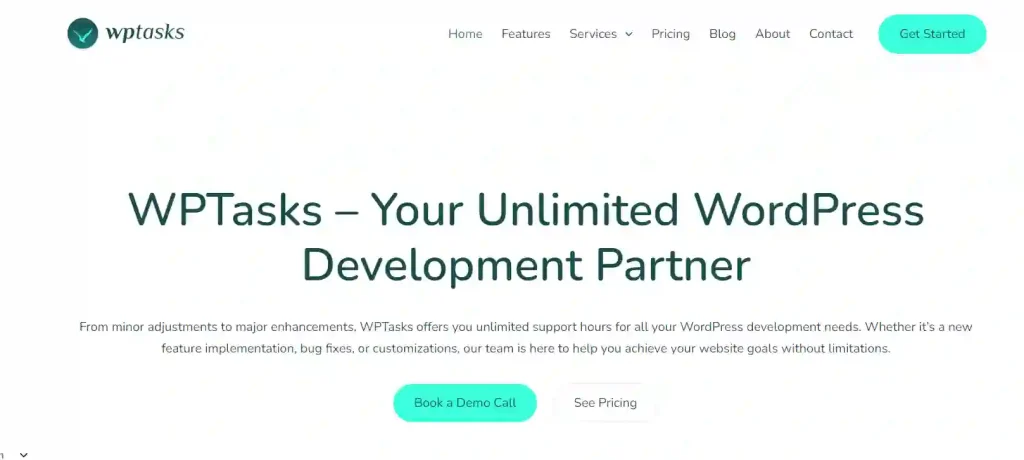
WPTasks also provides white-label support for agencies and includes hosting to improve website stability and ongoing technical management. Its proactive support approach helps businesses reduce recurring security risks, improve website performance, and prevent future technical issues from affecting SEO, uptime, or user experience.
Hacked WordPress Site? Get It Fixed Before It Gets Worse
Recover your site, remove harmful issues, and protect your website with expert WordPress support built for urgent security problems.
What a WordPress Support Plan Does After a Website Hack?
A robust WordPress support plan helps businesses recover from website hacks faster by removing malware, restoring functionality, fixing security vulnerabilities, and stabilizing SEO performance before the damage becomes more serious.
Malware Cleanup and File Restoration
Malware cleanup involves identifying and removing malicious scripts, infected files, spam injections, and unauthorized code changes across the website. Fast cleanup is important because infected files can continue affecting website security, search visibility, and customer trust.
Support teams also restore damaged website files and remove hidden vulnerabilities that attackers may continue using after the initial infection. This helps stabilize website functionality and reduce the risk of repeated attacks.
Website Backup Recovery
Backup recovery helps restore clean website files, databases, and configurations after malware infections or severe security damage. Reliable backups significantly reduce downtime and speed up technical recovery during emergency situations.
Support teams usually verify backup integrity before restoration to avoid reintroducing infected files or corrupted website data. Proper backup and recovery also help protect important SEO assets, such as URLs, metadata, and indexed pages.
Security Vulnerability Patching
After malware cleanup, support teams identify and patch security vulnerabilities that initially allowed attackers to access the website. This often includes plugin updates, improvements to login protection, firewall configuration, and security hardening.
Fixing vulnerabilities quickly helps reduce future attack risks and improves long-term website security. Ongoing patch management also helps businesses maintain better website stability and protection over time.
Blacklist Removal and SEO Recovery
Hacked websites may get flagged by search engines or browsers when malware or suspicious activity is detected. Security warnings and blacklisting can significantly reduce rankings, traffic, and customer trust.
Support teams help clean infected pages, remove spam content, and request blacklist reviews after the website becomes secure again. This recovery process helps restore search visibility and indexing stability faster.
Website Performance Stabilization
Malware infections and hacked files often slow down website performance, overload servers, and create technical instability. Even after security cleanup, websites may continue experiencing speed issues or broken functionality without optimization.
Support plans usually include performance monitoring, technical fixes, and stability improvements to help restore website speed, usability, and long-term SEO performance after recovery.
How Website Hacks Affect SEO Rankings and Search Visibility?
Website hacks can quickly damage SEO rankings by affecting crawlability, indexing, website security, and overall technical stability. Malware infections, spam pages, malicious redirects, and unauthorized code changes make it harder for search engines to trust and properly process website content.
Hacked websites also create poor user experience signals because visitors may encounter browser warnings, broken pages, suspicious redirects, or slow website performance. These problems often increase bounce rates and reduce customer trust quickly.
If security issues remain unresolved for too long, search engines may reduce crawl activity, remove infected pages from search results, or temporarily blacklist the website. This can lead to significant traffic loss and a long-term decline in search visibility.
Best Features to Look for in a WordPress Security Support Plan
A strong WordPress security support plan should do more than react after a website gets hacked. The right support system helps continuously monitor threats, protect website access, reduce vulnerabilities, and improve long-term website stability before security problems become serious.
Reliable security support also helps businesses reduce downtime, protect SEO rankings, maintain customer trust, and recover more quickly from malware attacks or technical failures.

24/7 Security Monitoring
Continuous security monitoring helps detect suspicious activity, malware behavior, login attacks, and website vulnerabilities before they create larger technical problems. Real-time monitoring also improves response speed during emergencies.
Websites with proactive monitoring are usually able to reduce downtime, security damage, and long-term SEO impact much faster than websites using only reactive support systems.
Malware Scanning and Cleanup
Regular malware scanning helps identify infected files, hidden scripts, spam pages, and malicious code injections early. Fast malware cleanup is important because infected websites can quickly lose rankings and search visibility.
Reliable cleanup systems also help prevent repeated infections by removing hidden vulnerabilities and restoring clean website functionality safely.
Backup and Recovery Systems
Strong backup systems help businesses restore website files, databases, and configurations quickly after hacks, crashes, or failed updates. Faster recovery helps reduce downtime and protect important website data.
Reliable recovery systems also help preserve SEO assets like URLs, metadata, indexed pages, and website structure during technical emergencies.
Firewall and Login Protection
Firewalls and login protection systems help block malicious traffic, brute-force attacks, and unauthorized access attempts before they affect website security. Strong login security significantly reduces the risk of hacking.
Features such as two-factor authentication, IP blocking, and login monitoring also enhance long-term website protection and account security.
Ongoing Security Updates and Monitoring
Regular security updates help patch vulnerabilities across plugins, themes, WordPress core files, and hosting environments. Delayed updates are one of the most common causes of website hacks and malware infections.
Ongoing monitoring and update management also help businesses maintain website stability, reduce recurring security risks, and improve overall technical reliability over time.
How to Prevent WordPress Website Hacks in the Future?
Preventing WordPress website hacks requires proactive security management, continuous monitoring, and strong technical practices. Small security gaps often become major vulnerabilities when websites are not consistently monitored or maintained.
Businesses that invest in preventive security measures are usually able to reduce downtime, improve website stability, protect SEO rankings, and significantly lower the risk of recurring malware attacks.
- Keep Plugins and Themes Updated: Regular updates help patch known security vulnerabilities and improve website stability.
- Use Strong Login Authentication: Strong passwords and two-factor authentication help reduce the risk of unauthorized access.
- Limit Unnecessary Plugins: Removing unused or risky plugins reduces potential security vulnerabilities across the website.
- Monitor Website Activity Regularly: Continuous monitoring helps detect suspicious activity and security threats early.
- Use Proactive Malware Scanning: Regular malware scans help quickly identify infected files and hidden vulnerabilities.
- Maintain Reliable Backups Consistently: Verified backups help restore website functionality faster after hacks or technical failures.
Conclusion
A hacked WordPress website can quickly affect SEO rankings, website stability, customer trust, and overall business performance if security issues are not resolved quickly. Malware infections, spam pages, security warnings, and technical instability often continue damaging search visibility long after the initial attack.
A robust WordPress support plan helps businesses recover more quickly through malware cleanup, backup recovery, security patching, proactive monitoring, and ongoing technical support. Continuous website protection and preventive security management also help reduce the risk of future attacks and recurring technical problems.
FAQs
What should businesses do first after a WordPress website hack?
Businesses should immediately scan the website for malware, restore clean backups if available, change login credentials, and contact a reliable technical support provider for security recovery.
Can hacked WordPress websites lose SEO rankings?
Yes, hacked websites can lose rankings due to malware infections, spam pages, downtime, and security warnings, which negatively affect crawlability, indexing, and search engine trust.
How long does malware cleanup usually take?
Malware cleanup time depends on the severity of the infection, the website’s size, and the level of damage. Smaller issues may take a few hours, while larger infections can require several days of cleanup and recovery.
What is included in a WordPress security support plan?
A WordPress security support plan usually includes malware scanning, security monitoring, backup recovery, vulnerability patching, login protection, technical troubleshooting, and ongoing website security management.
How can businesses prevent future WordPress website hacks?
Businesses can reduce hacking risks by implementing proactive monitoring, regular updates, strong login protection, malware scanning, reliable backups, and ongoing technical support for their websites.
Why are backups important after a website hack?
Backups help restore clean website files, databases, and configurations quickly after malware attacks or technical failures, reducing downtime and long-term SEO damage.